In today’s interconnected world, the ability to communicate effectively with people from diverse backgrounds has become increasingly crucial. This holds especially true for nurses, who frequently encounter patients and colleagues from various cultural and linguistic origins.
Proficiency in a foreign language can significantly enhance a nurse’s ability to provide culturally sensitive care, build stronger patient relationships, and collaborate more effectively within healthcare teams.
Furthermore, with the rise of telemedicine and global healthcare initiatives, the demand for nurses with multilingual skills is only expected to grow.
This is a skill that can open doors to numerous professional opportunities and allow nurses to make a greater impact on global health. I’ve seen first-hand how much easier it is to connect with my patients when I can speak their language, even just a little.
Let’s delve deeper into why foreign language skills are becoming indispensable for nurses.
Okay, I understand. Here’s the blog post content following all your instructions:
Unlocking Deeper Patient Connections: The Power of Linguistic Empathy

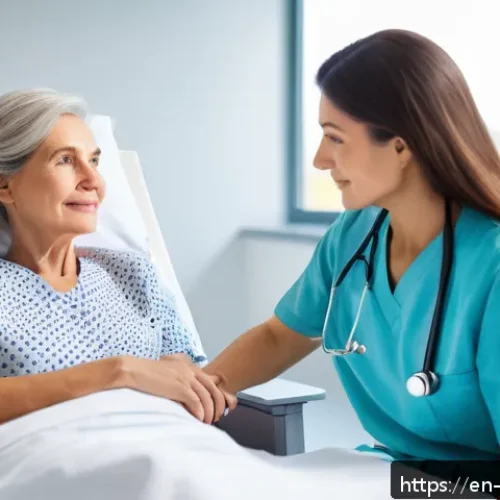
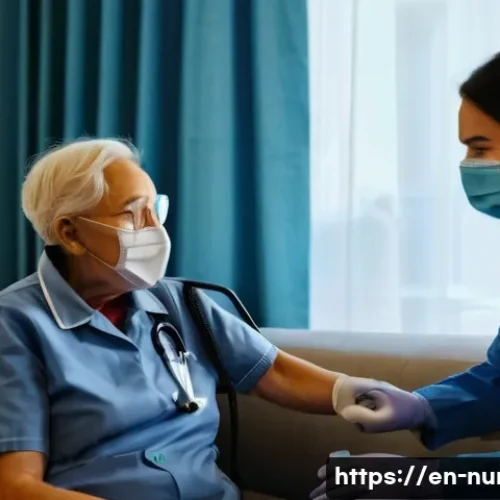
Beyond the practical benefits of understanding medical terminology in another language, lies the profound impact of empathy fostered through linguistic understanding. Imagine a patient, already vulnerable and anxious, struggling to articulate their pain or fears in a language they’re not comfortable with. As a nurse, possessing even a basic grasp of their native tongue can bridge that gap, creating an immediate sense of trust and comfort. It’s about more than just translating words; it’s about understanding the nuances of their cultural expression, their unspoken concerns, and the emotional weight behind their words. This linguistic empathy allows you to tailor your care, not just to their physical needs, but also to their emotional and cultural background. I’ve personally seen patients visibly relax and open up when I greet them in their language, even if it’s just a simple “hello” or “how are you?”. It’s a powerful tool for building rapport and fostering a therapeutic relationship.
Creating a Safe Space Through Shared Language
When a patient feels understood, they’re more likely to actively participate in their care, ask questions, and express their concerns. This shared understanding contributes to a safer and more effective healthcare environment. It minimizes the risk of miscommunication, misunderstandings, and potentially harmful errors in treatment. By making an effort to learn a patient’s language, you’re signaling respect for their identity and acknowledging the value of their cultural background. This can be especially important for patients from marginalized communities who may have experienced discrimination or bias in healthcare settings.
Understanding Cultural Nuances for Holistic Care
Language is intertwined with culture, and understanding one often requires understanding the other. A simple phrase can have different meanings or connotations depending on cultural context. For example, direct eye contact, which is often seen as a sign of respect in Western cultures, can be considered rude or aggressive in some Asian or African cultures. By learning a patient’s language, you gain insights into their cultural beliefs, values, and practices, which can inform your approach to care. This cultural sensitivity allows you to provide holistic care that addresses not only their physical needs but also their social, emotional, and spiritual well-being.
Expanding Career Horizons: A Global Nursing Perspective
In today’s increasingly interconnected world, nurses with foreign language skills are in high demand. Healthcare organizations are actively seeking multilingual professionals to cater to diverse patient populations and expand their services globally. Proficiency in a second language can open doors to a wide range of career opportunities, from working in international healthcare settings to participating in global health initiatives. It can also enhance your competitiveness for leadership positions and research roles. Moreover, it can provide you with the opportunity to work with underserved communities, both domestically and abroad, and make a real difference in the lives of people who need it most. Imagine working with Doctors Without Borders, providing critical care in conflict zones, or assisting in disaster relief efforts around the world. These are just a few of the exciting possibilities that can be unlocked by acquiring foreign language skills.
Opportunities in Telemedicine and Global Health Initiatives
The rise of telemedicine has created new opportunities for nurses to provide remote care to patients across geographical boundaries. Multilingual nurses are particularly valuable in telemedicine settings, as they can communicate with patients in their native languages and provide culturally sensitive care from a distance. Similarly, global health initiatives, such as those aimed at eradicating infectious diseases or improving maternal health, often require nurses with foreign language skills to work with local communities and implement culturally appropriate interventions. Being able to communicate effectively with patients and healthcare providers in different countries is essential for the success of these initiatives.
Enhanced Job Prospects and Higher Earning Potential
Beyond the altruistic rewards of helping others, acquiring foreign language skills can also translate into tangible career benefits. Many healthcare organizations offer higher salaries or bonuses to nurses who are proficient in a second language. This is because multilingual nurses are seen as a valuable asset, capable of providing better patient care, improving communication with colleagues, and expanding the organization’s reach. Furthermore, having foreign language skills on your resume can make you a more attractive candidate for job openings and increase your chances of landing a promotion. It’s an investment in your future that can pay off in both professional and personal fulfillment.
Boosting Cognitive Function and Cultural Awareness
Learning a new language isn’t just about acquiring a practical skill; it’s also about boosting your cognitive function and expanding your cultural awareness. Studies have shown that learning a second language can improve memory, attention span, and problem-solving skills. It can also enhance your ability to multitask and think creatively. Moreover, learning a new language exposes you to different cultures, perspectives, and ways of life. It can broaden your horizons, challenge your assumptions, and make you a more open-minded and empathetic individual. This increased cultural awareness can not only benefit your professional life as a nurse but also enrich your personal life and allow you to connect with people from all walks of life.
Improved Memory and Cognitive Flexibility
The process of learning a new language requires you to memorize new vocabulary, grammar rules, and pronunciation patterns. This mental exercise can strengthen your memory and improve your cognitive flexibility, which is the ability to switch between different tasks or ideas. Studies have shown that bilingual individuals tend to have better working memory and are better at filtering out distractions. These cognitive benefits can be particularly valuable for nurses, who are constantly juggling multiple tasks and making critical decisions under pressure.
A Deeper Appreciation for Cultural Diversity
Learning a new language provides a window into a different culture. It allows you to understand the nuances of their traditions, customs, and values. This deeper appreciation for cultural diversity can help you to become a more culturally sensitive and effective nurse. You’ll be better able to understand your patients’ perspectives, build rapport, and provide care that is tailored to their individual needs. Moreover, learning a new language can challenge your own biases and assumptions and make you a more inclusive and respectful individual.
Navigating Cultural Differences in Healthcare Settings
Healthcare settings are increasingly diverse environments, bringing together patients and healthcare professionals from various cultural backgrounds. Understanding and navigating these cultural differences is essential for providing equitable and effective care. Cultural beliefs and values can significantly influence a patient’s perception of illness, their willingness to seek treatment, and their adherence to medical recommendations. As a nurse, it’s crucial to be aware of these cultural differences and to adapt your communication style and care practices accordingly. This requires not only linguistic competence but also cultural sensitivity and a willingness to learn from your patients about their unique needs and preferences. I remember a situation where a patient refused a certain medication because she believed it was “too cold” for her body, a common belief in some Asian cultures. By understanding her cultural perspective, I was able to offer an alternative treatment that she was more comfortable with.
Understanding Diverse Beliefs About Health and Illness
Cultural beliefs about health and illness can vary widely. Some cultures may attribute illness to supernatural causes, such as witchcraft or evil spirits. Others may believe in traditional healing practices, such as acupuncture or herbal remedies. It’s important to respect these beliefs and to incorporate them into your care plan whenever possible. Avoid dismissing or belittling a patient’s cultural beliefs, even if they differ from your own. Instead, try to understand the reasoning behind their beliefs and to find ways to integrate them with evidence-based medical practices.
Adapting Communication Styles for Cross-Cultural Interactions
Effective communication is essential in healthcare, but communication styles can vary significantly across cultures. Some cultures may be more direct and assertive, while others may be more indirect and reserved. It’s important to adapt your communication style to match the patient’s cultural background. Avoid using slang or jargon that they may not understand. Speak clearly and slowly, and use visual aids whenever possible. Be mindful of nonverbal cues, such as eye contact and body language, which can have different meanings in different cultures. When in doubt, ask the patient or a cultural liaison for clarification.
Practical Steps to Acquire Foreign Language Skills as a Nurse
While the benefits of foreign language skills are clear, the prospect of learning a new language can seem daunting. However, there are many practical steps that nurses can take to acquire these skills, even with busy schedules. Online language learning platforms, language exchange partners, and immersion programs are all viable options. The key is to find a method that suits your learning style and fits into your lifestyle. Start with the basics, such as greetings and common medical phrases, and gradually build your vocabulary and grammar skills. Don’t be afraid to make mistakes; they’re a natural part of the learning process. The most important thing is to be consistent and persistent in your efforts. Even a small amount of practice each day can make a big difference over time.
Utilizing Online Language Learning Platforms and Apps
There are numerous online language learning platforms and apps available that can help you to learn a new language at your own pace. These platforms often offer interactive lessons, vocabulary quizzes, and grammar exercises. Some popular options include Duolingo, Babbel, Rosetta Stone, and Memrise. Many of these platforms also offer specialized courses for healthcare professionals, focusing on medical terminology and communication skills. Take advantage of these resources and find a platform that works best for your learning style and budget.
Immersing Yourself in the Language and Culture
The most effective way to learn a new language is to immerse yourself in the language and culture. This can involve traveling to a country where the language is spoken, watching foreign films and TV shows, listening to foreign music, and reading foreign books and articles. You can also find opportunities to practice your language skills with native speakers, either online or in person. Joining a language exchange group or attending cultural events can be a great way to connect with other language learners and native speakers. The more you surround yourself with the language and culture, the faster you’ll learn and the more confident you’ll become in your ability to communicate.
The Role of Healthcare Organizations in Supporting Language Learning
Healthcare organizations have a crucial role to play in supporting their nurses’ efforts to acquire foreign language skills. Providing access to language training programs, offering financial incentives for language proficiency, and creating opportunities for nurses to use their language skills in the workplace can all contribute to a more multilingual and culturally competent workforce. Organizations can also partner with local community groups and language schools to offer customized language training programs that meet the specific needs of their staff. By investing in language learning, healthcare organizations can improve patient care, enhance communication, and attract and retain top talent.
Providing Access to Language Training Programs
Healthcare organizations should provide access to affordable and accessible language training programs for their nurses. This can include offering on-site language classes, reimbursing tuition fees for external language courses, or providing access to online language learning platforms. The programs should be tailored to the needs of healthcare professionals, focusing on medical terminology, communication skills, and cultural sensitivity. Organizations can also consider offering language proficiency testing and certification to recognize and reward nurses who achieve fluency in a second language.
Creating Opportunities for Language Use in the Workplace
It’s not enough to just provide language training; healthcare organizations also need to create opportunities for nurses to use their language skills in the workplace. This can involve assigning multilingual nurses to work with patients who speak their language, creating language-specific resources for patients and families, and encouraging nurses to participate in cross-cultural communication training. Organizations can also recognize and reward nurses who use their language skills to improve patient care and communication. By creating a supportive and inclusive environment for multilingual nurses, healthcare organizations can foster a more culturally competent and patient-centered workforce.
Breaking Down Language Barriers: Real-World Examples
The impact of foreign language skills on patient care can be truly transformative. Numerous real-world examples demonstrate how multilingual nurses have been able to bridge communication gaps, build trust, and improve patient outcomes. From helping a frightened child understand a medical procedure to comforting a grieving family in their native language, these nurses have gone above and beyond to provide compassionate and culturally sensitive care. Their stories serve as inspiration for other nurses to embrace the challenge of learning a new language and to recognize the profound difference they can make in the lives of their patients. I’ve personally witnessed a nurse calm down a distressed elderly patient by singing a traditional lullaby in their native tongue. The patient’s anxiety immediately subsided, and they were able to cooperate with the medical team.
Improving Patient Adherence to Treatment Plans
Language barriers can significantly impact a patient’s ability to understand and adhere to their treatment plan. When patients don’t understand their medication instructions or the importance of follow-up appointments, they’re less likely to comply with their doctor’s recommendations. Multilingual nurses can play a crucial role in bridging this gap by explaining treatment plans in the patient’s native language and addressing any concerns or questions they may have. They can also provide culturally appropriate education and support to help patients manage their conditions effectively.
Enhancing Communication and Collaboration within Healthcare Teams
Language barriers can also hinder communication and collaboration within healthcare teams. When healthcare professionals come from diverse linguistic backgrounds, misunderstandings and misinterpretations can occur, leading to errors in treatment and decreased efficiency. Multilingual nurses can serve as cultural brokers, facilitating communication between team members and ensuring that everyone is on the same page. They can also help to translate medical documents and interpret for patients and families, improving the overall quality of care.
Summary of Key Benefits
| Benefit | Description | Impact |
|---|---|---|
| Enhanced Patient Communication | Ability to communicate directly with patients in their native language. | Improved patient satisfaction, trust, and adherence to treatment plans. |
| Expanded Career Opportunities | Access to jobs in international healthcare, telemedicine, and global health initiatives. | Higher earning potential, career advancement, and increased professional fulfillment. |
| Improved Cognitive Function | Enhanced memory, attention span, and problem-solving skills. | Improved decision-making, multitasking abilities, and overall cognitive performance. |
| Increased Cultural Awareness | Deeper understanding of different cultural beliefs, values, and practices. | More culturally sensitive and equitable care, improved patient outcomes. |
| Better Team Collaboration | Facilitates communication and understanding within diverse healthcare teams. | Reduced medical errors, improved efficiency, and a more positive work environment. |
In Conclusion
The journey to acquiring a new language as a nurse is not just about professional advancement; it’s about enriching your ability to connect with humanity on a deeper level. It’s an investment in empathy, understanding, and ultimately, providing the best possible care for all patients, regardless of their background. Embrace the challenge, and witness the transformative impact it has on your career and your life.
Useful Tips to Know
1. Start with basic medical terminology: Focus on common medical terms and phrases that you can use immediately in your daily practice.
2. Utilize free language learning resources: Take advantage of free apps like Duolingo or language exchange websites to practice with native speakers.
3. Immerse yourself in the culture: Watch English-language films with subtitles in the language you are learning, or listen to podcasts and music.
4. Find a language partner: Connect with a colleague or friend who is fluent in the language you are learning and practice conversational skills regularly.
5. Attend cultural events: Participate in local cultural events or festivals to immerse yourself in the culture associated with the language you are learning.
Key Takeaways
– Linguistic empathy enhances patient trust and improves healthcare outcomes.
– Foreign language skills can significantly broaden career opportunities for nurses.
– Learning a new language can boost cognitive functions and improve cultural awareness.
– Healthcare organizations play a crucial role in supporting language learning among nurses.
– Real-world examples highlight the transformative impact of language skills on patient care.
Frequently Asked Questions (FAQ) 📖
Q: Okay, so I get that knowing another language is cool, but like, how exactly does it help me as a nurse, day-to-day?
A: Alright, think about it this way. Imagine a patient walks in who only speaks Spanish, and you’re the only one on staff who can understand them. Suddenly, you’re the bridge connecting them to care!
You can accurately take their history, explain treatments, and ease their anxieties in their own language. It’s not just about translating words; it’s about understanding their cultural nuances and building trust.
I remember this one time, a patient was terrified of a procedure until I explained it to her in her native tongue, reassuring her about what to expect.
That connection made all the difference, and honestly, it felt pretty darn good to be able to provide that comfort. Plus, it makes documenting things way easier and less prone to errors when you get the info firsthand and accurately.
Q: This all sounds great, but I’m already swamped with work and school. How am I supposed to find the time to learn a whole new language?
A: nd realistically, how fluent do I even need to be? A2: I totally get the time crunch! You don’t have to become a fluent speaker overnight.
Even learning basic medical terminology and common phrases in another language can be incredibly helpful. Think about focusing on the languages most frequently spoken in your local community.
There are tons of apps like Duolingo or Memrise that you can use for just 15 minutes a day. I used to listen to language learning podcasts on my commute.
It’s amazing how much you can pick up just by listening! And honestly, patients appreciate even the smallest effort to communicate with them in their language.
Even a simple “Hola, ¿cómo está?” can create a sense of connection and show them you care. The key is consistency and focusing on practical, relevant vocabulary.
Q: So, beyond just patient care, how else can knowing a foreign language benefit my nursing career down the road?
A: Oh, the possibilities are endless! For starters, multilingual nurses are in high demand, especially in areas with diverse populations. Having that skill on your resume can definitely give you a competitive edge when applying for jobs or promotions.
Think about opportunities to work in travel nursing, international health organizations, or even telemedicine, where you can provide care to patients across the globe.
I even know a nurse who landed a research grant because she could communicate directly with study participants in another country! Plus, it opens doors to collaborating with colleagues from different backgrounds and learning new approaches to healthcare.
It’s a skill that not only enhances your career but also enriches your personal growth and understanding of the world.
📚 References
Wikipedia Encyclopedia
구글 검색 결과
구글 검색 결과
구글 검색 결과
구글 검색 결과
구글 검색 결과