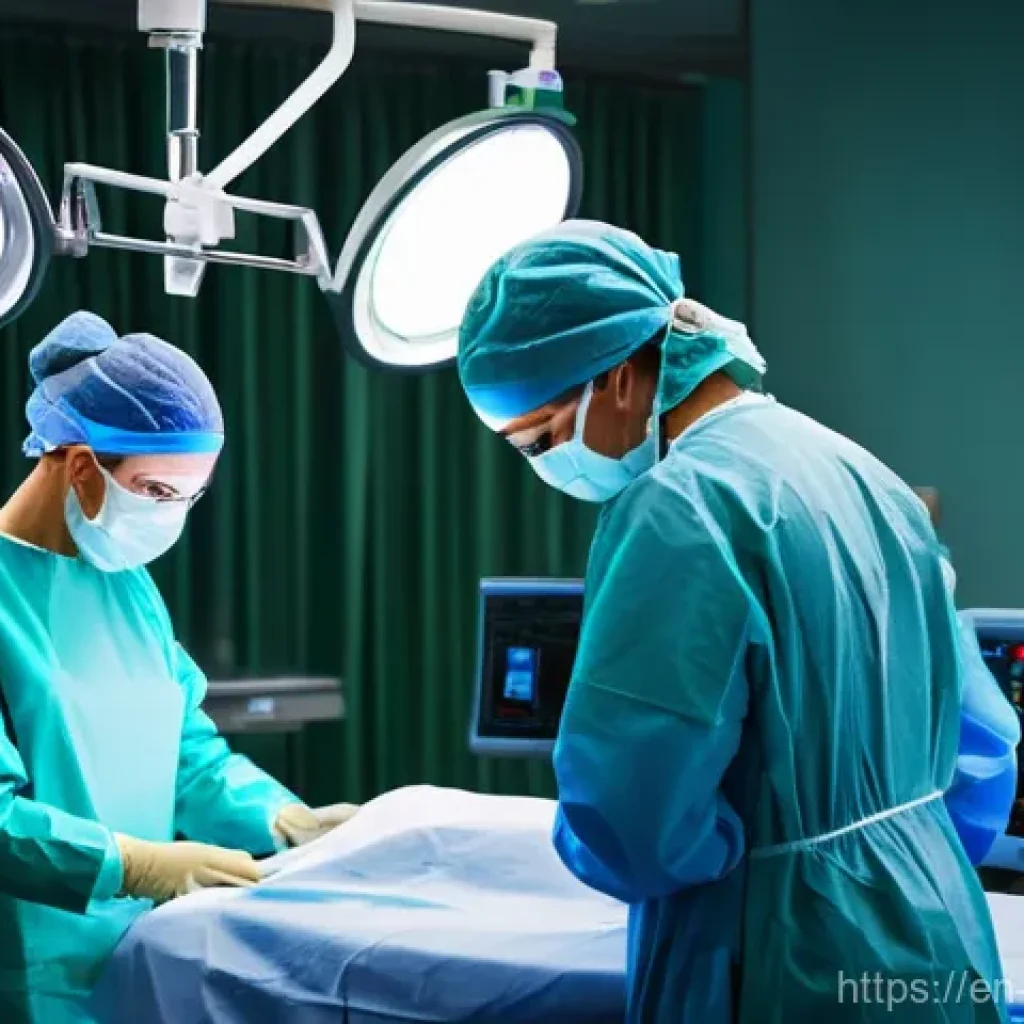
Have you ever truly wondered what goes on behind those imposing operating room doors? As an OR nurse, I can tell you it’s a world unlike any other – a place of intense focus, split-second decisions, and incredible teamwork, all while navigating the latest advancements in surgical technology.
It’s a career that constantly pushes you, demanding both sharp clinical skills and deep empathy for patients at their most vulnerable. Trust me, the stories from the scrub sink are far more compelling than any TV drama.
If you’re curious about the adrenaline, the challenges, and the profound satisfaction of being at the heart of critical care, then you’re in the right place.
Let’s pull back the curtain and explore the real experiences of an OR nurse together!
The Heart-Pounding Reality: What Really Happens in the OR

When Every Second Truly Counts
Stepping into the operating room is like entering a different dimension where time seems to both race and slow down simultaneously. I remember one particularly intense morning; we were deep into a complex cardiac case when suddenly, the patient’s vitals plummeted.
My heart jumped into my throat, but years of training kicked in immediately. There’s a silent, almost telepathic communication that happens between the surgical team – the surgeon’s eyes meet mine, the anesthesiologist’s hands move with practiced urgency, and I’m already anticipating the next move, prepping the necessary instruments and medications.
It’s a chaotic ballet of precision, where the stakes are incredibly high. The air crackles with tension, but underneath it all, there’s an unwavering commitment to the patient on the table.
We’re constantly assessing, constantly adjusting, and constantly pushing ourselves to be better. It’s not just about technical skill; it’s about that gut feeling, that sixth sense you develop from countless hours in the trenches.
You learn to read the room, read the team, and read the patient’s subtle cues. It’s an adrenaline rush unlike any other, and when the crisis is averted, and you see the patient stabilize, there’s an immense wave of relief and satisfaction that washes over you.
It’s moments like these that remind me why I chose this demanding yet incredibly rewarding profession.
Navigating the Unexpected: My Wildest OR Story
Oh, if these walls could talk! I’ve seen things that would make your jaw drop, from unexpected surgical findings to truly bizarre patient reactions. One time, during what was supposed to be a routine appendectomy, the patient started singing opera mid-procedure – yes, really!
It turned out to be a unique reaction to a specific anesthetic, and while we were all trying to keep a straight face and maintain focus, it certainly lightened the mood.
But beyond the comical, there are the truly challenging moments. I once assisted in an emergency trauma surgery where a patient came in with multiple life-threatening injuries.
The OR transformed into a command center, with various specialists working in harmony. We were literally fighting for this person’s life, and the sheer volume of blood, the rapid-fire decisions, and the constant need to adapt to changing circumstances were almost overwhelming.
Yet, seeing that patient eventually walk out of the hospital weeks later, completely recovered, was a testament to the incredible resilience of the human body and the dedicated work of an entire team.
These aren’t just medical procedures; they’re stories of human strength, vulnerability, and the miracles that can happen when people come together.
Beyond the Scalpel: The Tech and Tools We Master Daily
Wielding Advanced Surgical Robotics with Precision
When people think of surgery, they often picture scalpels and sutures. But let me tell you, the operating room of today is a high-tech wonderland! I’ve been incredibly fortunate to work with some of the most advanced robotic surgical systems, like the da Vinci.
Operating with these robots isn’t like playing a video game, though it might look that way from the outside. It requires immense concentration, a deep understanding of anatomy, and a seamless coordination with the surgeon.
I’m often responsible for ‘docking’ the robot, which means meticulously aligning its arms with the patient – a crucial step that sets the stage for the entire procedure.
Then, during the surgery, I’m constantly monitoring the robotic instruments, ensuring they’re clean, functional, and ready for the next maneuver. It’s a dance between human skill and mechanical precision, and the benefits for patients – smaller incisions, less pain, faster recovery – are truly revolutionary.
It’s amazing to think how far we’ve come from traditional open surgeries, and being at the forefront of this technological revolution is genuinely thrilling.
Every day brings new innovations, new instruments, and new challenges to master.
Keeping Our Cool: Navigating Complex Monitoring Systems
It’s not just robots; the sheer array of monitoring equipment we use can be mind-boggling. From advanced cardiac monitors that track every beat to neuromonitoring systems that safeguard delicate nerves during spine surgery, my role involves constantly interpreting data and ensuring everything is functioning perfectly.
There are often multiple screens displaying vital signs, waveforms, and critical parameters, and I need to know what each flicker and beep means. Imagine a pilot’s cockpit – that’s often what my workstation feels like.
A seemingly minor fluctuation could signal a significant issue, so vigilance is paramount. I distinctly recall a case where a subtle change on the arterial line monitor prompted us to intervene proactively, preventing a potential complication.
It’s this meticulous attention to detail, coupled with a deep understanding of physiology, that makes all the difference. We’re not just handing instruments; we’re essentially the patient’s second set of eyes and ears, ensuring their safety throughout the entire procedure.
The constant learning curve with new technologies keeps things incredibly interesting and ensures I’m always at the top of my game.
Building Bridges: The Unsung Art of Teamwork Under Pressure
The Silent Language of the Surgical Team
You know, TV dramas often portray surgeons as lone wolves, but in reality, surgery is the ultimate team sport. And as an OR nurse, I’m often the glue that holds that team together.
There’s an incredible synergy that develops among us – the surgeons, anesthesiologists, surgical technologists, and nurses. We communicate not just with words, but with glances, gestures, and an intuitive understanding of what each person needs.
I’ve been in situations where a surgeon has simply raised an eyebrow, and I’ve known exactly which instrument they were about to ask for, or what subtle change in the field required my immediate attention.
It’s a silent language built on trust, respect, and countless hours spent working side-by-side in high-stakes environments. This kind of teamwork isn’t something you can learn from a textbook; it’s forged in the heat of critical moments, in the quiet camaraderie of late-night cases, and in the shared victories of successful outcomes.
It’s incredibly rewarding to be part of a group where everyone is so deeply committed to a common goal, where egos are set aside, and the patient’s well-being is the absolute priority.
Beyond the OR: My Role as a Patient Advocate
While my primary focus is often on the sterile field and immediate patient needs during surgery, my role as an advocate extends far beyond that. Before a patient even enters the OR, I’m reviewing their chart, confirming allergies, understanding their medical history, and sometimes even holding their hand and offering reassurance as they’re prepped for anesthesia.
During the procedure, I’m their voice when they can’t speak for themselves, ensuring their dignity, privacy, and safety are maintained. I’m constantly checking pressure points, ensuring proper positioning, and watching for any sign of compromise.
Post-op, I’m often communicating with their families, providing updates, and ensuring a smooth transition to recovery. I remember a particularly anxious family waiting for news about their loved one undergoing a lengthy procedure.
Taking a few moments to step out and offer them a brief, reassuring update, even if it was just to say “everything is going well, we’re still working hard,” made all the difference in their worry.
It’s these human connections, even fleeting ones, that really underscore the compassionate side of OR nursing. It’s not just about the technicalities; it’s about caring for the whole person.
The Emotional Rollercoaster: Finding Strength in Vulnerability
Coping with the Highs and the Unimaginable Lows
Let’s be real, OR nursing isn’t all triumphant victories and flawless procedures. There are days that hit hard, days when despite everyone’s best efforts, the outcome isn’t what we hoped for.
I’ve stood at the scrub sink trying to compose myself after a particularly difficult case, the weight of the situation heavy on my shoulders. We’re human, and these moments affect us deeply.
It’s a strange dichotomy: you have to be incredibly focused and stoic in the moment, making critical decisions without hesitation, but then afterwards, the emotional impact can catch up.
I’ve learned that it’s crucial to acknowledge these feelings, to talk to colleagues, and to have a strong support system. We often joke that only another OR nurse truly “gets it,” and there’s a lot of truth to that.
Sharing those experiences, the victories and the heartbreaks, builds an incredible bond within the team. It’s about recognizing our own vulnerability and finding strength in community.
Every scar on my soul from those tough days has also taught me immense lessons about resilience, empathy, and the preciousness of life.
The Profound Satisfaction: Why We Keep Coming Back
Despite the challenges, the emotional toll, and the long hours, there’s a profound satisfaction that comes with being an OR nurse that keeps us coming back.
It’s in those quiet moments when you know you’ve made a difference, when a patient’s life has been saved or significantly improved because of the collective effort.
I’ve had patients send thank you cards, or their families stop by with a warm smile, and those gestures, however small, mean the world. It reminds you that behind every gown and mask, there’s a human being whose life you’ve touched.
The privilege of being present at such pivotal moments in people’s lives – whether it’s bringing a new life into the world during a C-section or helping someone regain their mobility after orthopedic surgery – is truly immense.
It’s a constant reminder of the profound impact we have, not just on individual lives, but on entire families. This isn’t just a job; it’s a calling, a deeply meaningful career that constantly challenges you to be your best self, both clinically and compassionately.
My Journey to the Scrub Sink: Why I Chose This Path
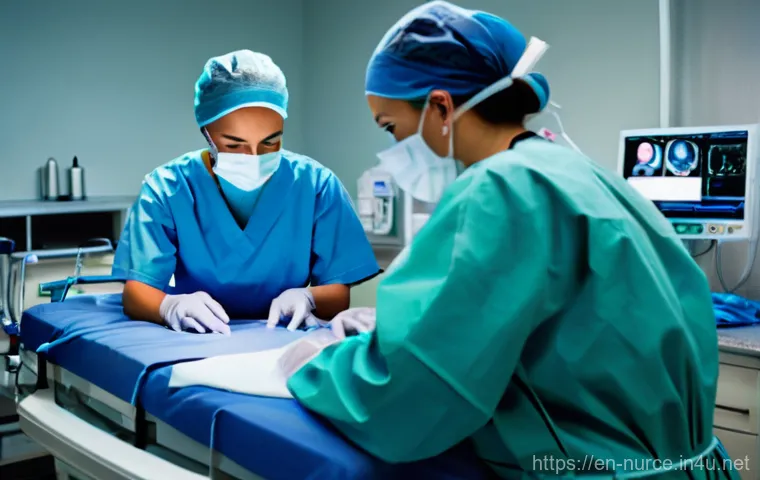
From Curiosity to Calling: My First Glimpse of the OR
My path to the operating room wasn’t exactly a straight line, but looking back, it feels almost destined. I started out in a different nursing specialty, and while I enjoyed it, I always felt a pull towards something more… intense.
The OR always seemed like this mysterious, sacred space. I remember shadowing an OR nurse during my clinical rotations, and I was absolutely captivated.
The precision, the teamwork, the sheer speed at which things happened – it was like watching a perfectly choreographed ballet, but with real lives at stake.
I saw how every single person in that room, from the surgeon to the orderly, played a vital role in ensuring a positive outcome. It wasn’t just about technical skills; it was about critical thinking, problem-solving on the fly, and an incredible sense of responsibility.
From that moment, I knew I had found my niche. The adrenaline, the intellectual challenge, and the immediate impact you could have on someone’s life were simply irresistible to me.
It felt like I had finally found where I was meant to be, right there, at the heart of critical care.
The Day-to-Day: More Than Just a Job Description
People often ask me what a typical day looks like, and honestly, there’s no such thing! Every day brings new cases, new challenges, and new opportunities to learn.
One morning, I might be setting up for a delicate neurosurgery, meticulously organizing instruments and ensuring everything is sterile. By the afternoon, I could be assisting in a frantic emergency appendectomy, moving with speed and precision.
The constant variety is one of the things I love most about it. We’re always on our toes, ready for anything. I also spend a lot of time advocating for patients, ensuring their comfort, and communicating with their families.
It’s a delicate balance of intense focus and compassionate care. And of course, there’s the ongoing learning – new techniques, new technologies, new protocols.
It never stops, and that’s incredibly stimulating. The camaraderie among my colleagues is also a huge part of it. We lean on each other, laugh together, and support each other through the toughest shifts.
It’s a demanding job, but the sense of purpose and belonging makes it all worthwhile.
Keeping Up: Lifelong Learning in a Fast-Paced Environment
The Never-Ending Evolution of Surgical Techniques
You might think that once you’re a qualified OR nurse, you’re set. But honestly, that couldn’t be further from the truth! The world of surgery is constantly evolving at a breakneck pace.
New techniques are developed, new equipment hits the market, and research constantly refines our understanding of patient care. I make it a point to stay on top of these changes, whether it’s through continuing education courses, attending surgical conferences, or devouring the latest professional journals.
Just last year, our hospital introduced a completely new minimally invasive technique for a common procedure, and it required all of us to undergo extensive training.
It was challenging, but also incredibly exciting to learn new skills and contribute to improved patient outcomes. I’ve seen firsthand how a commitment to lifelong learning directly translates into better care for our patients.
It means constantly challenging my own knowledge, refining my skills, and being open to new ways of doing things. Stagnation simply isn’t an option when lives are on the line.
From Simulations to Certifications: My Commitment to Excellence
To maintain our expertise, it’s not just about reading; it’s about hands-on practice. We regularly participate in simulations, rehearsing emergency scenarios and practicing new procedures in a controlled environment.
These simulations are incredibly realistic and help us sharpen our response times and teamwork under pressure. I’ve also invested in advanced certifications, like the CNOR (Certified Nurse Operating Room), which demonstrates a higher level of specialized knowledge and commitment to the field.
It’s not just a piece of paper; it’s a rigorous process that pushes you to delve deeper into surgical principles, patient safety, and ethical considerations.
For me, it’s about continually striving for excellence. Patients put their absolute trust in us, and I believe it’s my responsibility to ensure I’m providing the highest possible standard of care.
This commitment to ongoing development means I’m always learning, always growing, and always ready to adapt to whatever new challenges the operating room throws my way.
More Than Just a Job: The Profound Impact of OR Nursing
The Unseen Heroes: Our Role in Every Patient’s Story
When you’re an OR nurse, you become an integral, often unseen, part of countless patient stories. We’re there at the most vulnerable moments, often when patients are unconscious, yet our vigilance and expertise are paramount to their safe passage through surgery.
I’ve had moments where I’ve walked past patients in the hospital hallways post-op, knowing I was there for them during their surgery, even if they don’t remember my face.
There’s a quiet pride in that – knowing you played a critical role in their recovery journey. It’s not about the accolades; it’s about the deep personal satisfaction that comes from being part of something so vital.
We prepare the sterile field, pass the instruments, monitor vitals, and anticipate every need, all while maintaining an eagle eye on patient safety. We are the guardians of the surgical environment, ensuring every detail, no matter how small, contributes to a successful outcome.
It’s a profound responsibility, and one that I embrace every single day.
A Day in the Life: Comparing Roles in the OR
To give you a better idea of how all these specialized roles come together, here’s a quick overview of some key players you’ll typically find in an operating room and their primary focus.
This teamwork is what truly makes the magic happen!
| Role | Primary Focus | Key Contribution to Patient Care |
|---|---|---|
| Surgeon | Performing the surgical procedure | Directly addressing the patient’s medical condition through intervention |
| Anesthesiologist | Managing patient’s anesthesia and vital signs | Ensuring patient comfort, pain management, and physiological stability |
| OR Nurse (Circulator) | Managing the OR environment, patient advocacy, documentation | Patient safety, communication, equipment management, and coordination |
| Surgical Technologist (Scrub Tech) | Maintaining sterile field, anticipating surgeon’s needs, handling instruments | Ensuring sterile environment, rapid instrument delivery, surgical efficiency |
| Pathologist | Analyzing tissue samples during surgery (intraoperative consultation) | Providing immediate diagnostic information to guide surgical decisions |
Ultimately, every person in that OR has a singular focus: the patient’s well-being. And being a part of that intricate, highly skilled ballet is a privilege I wouldn’t trade for anything.
It’s a career that will challenge you, push you, and ultimately, reward you in ways you never thought possible.
Wrapping Things Up
Whew! What a journey we’ve been on, exploring the incredible, intense, and deeply rewarding world of the operating room. From the split-second decisions that define critical moments to the silent symphony of teamwork, it’s a place where every single person plays a vital role. I hope I’ve managed to pull back the curtain a little and show you that it’s so much more than just a job; it’s a calling filled with profound purpose. It’s about skill, yes, but also about heart, resilience, and an unwavering commitment to the human beings we have the privilege to care for. It’s these experiences, the challenging ones and the triumphant ones, that truly shape us and fuel our passion to keep showing up, day after day.
Useful Info You Might Not Know
1. Thinking about surgery? Don’t be afraid to ask your medical team everything! From the specific procedure details to recovery expectations, clear communication is your best friend. Your advocate can also ask about the surgeon’s credentials and patient outcomes at different hospitals.
2. Did you know that patient advocacy extends to having someone present with you during surgery? While not always common, some advocate for this right to ensure patient wishes for modesty and care are upheld, especially when sedated.
3. The role of an OR nurse, often called a perioperative nurse, is incredibly diverse! We’re involved in your care before, during, and after surgery—from checking paperwork and preparing equipment to monitoring vital signs and managing your post-op recovery.
4. Modern operating rooms are high-tech hubs! We’re constantly working with advanced equipment like robotic surgical systems and complex monitoring tools. This tech allows for incredible precision and often leads to better patient outcomes like faster recovery.
5. If you’re considering a career in healthcare, especially surgical nursing, be prepared for continuous learning! The field evolves rapidly, with new techniques and technologies emerging constantly. Lifelong education and advanced certifications are key to staying at the top of your game.
Key Takeaways
Ultimately, the heart of the operating room beats with a powerful combination of human dedication and cutting-edge technology. It’s a space where teamwork isn’t just a buzzword; it’s the very foundation of patient safety and successful outcomes. Every professional, from the surgeon to the OR nurse, brings their unique expertise and, crucially, their humanity to the table. This deeply personal journey, marked by both intense pressure and immense satisfaction, underscores the profound impact we have on individual lives. It’s a constant reminder that beyond the procedures and protocols, we’re all working together for the well-being and recovery of each and every patient, navigating the unexpected with resilience, empathy, and a shared purpose.
Frequently Asked Questions (FAQ) 📖
Q: What’s the biggest misconception people have about working in the OR?
A: Oh, this is a classic! Most people think it’s all fast-paced, dramatic emergencies like you see on TV shows. And sure, we absolutely have those adrenaline-pumping moments, but the biggest misconception is that it’s just constant chaos.
In reality, the operating room is an incredibly structured, meticulously planned, and highly synchronized environment. Every single instrument has its designated place, every team member has a very specific role, and there’s an almost ballet-like coordination that happens, especially during complex surgeries.
I remember one time, during a particularly intricate neurosurgery, the quiet focus in the room was so palpable, you could literally hear a pin drop. It’s not just about reacting; it’s about anticipating every possible scenario, preparing for the unexpected, and executing with an unbelievable level of precision.
It’s a carefully choreographed dance, not a free-for-all, and that’s what makes it so profoundly fascinating to be a part of. The precision and calm under immense pressure are what truly define working in an OR, far more than any dramatic scramble.
Q: How do you handle the high-pressure, split-second decision-making moments you mentioned?
A: That’s truly where your training, experience, and trust in your team really kick in, isn’t it? It’s a profound mix of all three. When things suddenly shift – and believe me, they do – it often feels like time slows down to a crawl.
My mind immediately goes through a mental checklist, almost on autopilot because I’ve run through these scenarios so many times: What exactly is happening?
What resources do we have immediately available? What’s the most critical, immediate next step to ensure patient safety? I vividly recall a situation where a patient’s vital signs took an unexpected dip, and in that split second, my hands moved without thinking to grab the exact equipment needed, and my voice was calm as I relayed precise information to the surgeon.
It’s not about being fearless; it’s about learning to manage the fear, relying on your deeply ingrained knowledge, and knowing that every single person in that room is equally dedicated and skilled.
That shared responsibility and mutual trust are absolutely essential and what truly carry you through those critical moments. You learn to breathe through it, focus intensely, and trust your gut, which, after years, is heavily informed by extensive practice and experience.
Q: What’s the most rewarding part of being an OR nurse, despite all the intense challenges?
A: This is honestly why I keep coming back, day after day, year after year. While the challenges are undeniably real and often incredibly intense, the satisfaction you feel is truly unparalleled.
For me, it’s the profound privilege of seeing a patient who came into the OR acutely ill or severely injured, knowing that your hands, your meticulous preparation, and your focused advocacy played a direct, vital role in their healing journey, and then later hearing about their successful recovery.
Even though patients are often unconscious during surgery, we are their fiercest advocates, their vigilant protectors, and their silent champions during what is perhaps one of the most vulnerable times in their lives.
There’s a deep, abiding sense of purpose that comes from ensuring their absolute safety, meticulously preparing every single detail, and being that unwavering, silent guardian angel at their surgical table.
I remember a follow-up call about a patient who had undergone a complex, life-saving procedure I assisted with; knowing they were home, recovering beautifully, and getting back to their life truly brought tears to my eyes.
It’s not about seeking glory or recognition; it’s about the quiet, profound impact you have on individual lives, one surgery at a time. That feeling? It’s absolutely priceless and makes every challenge worth it.