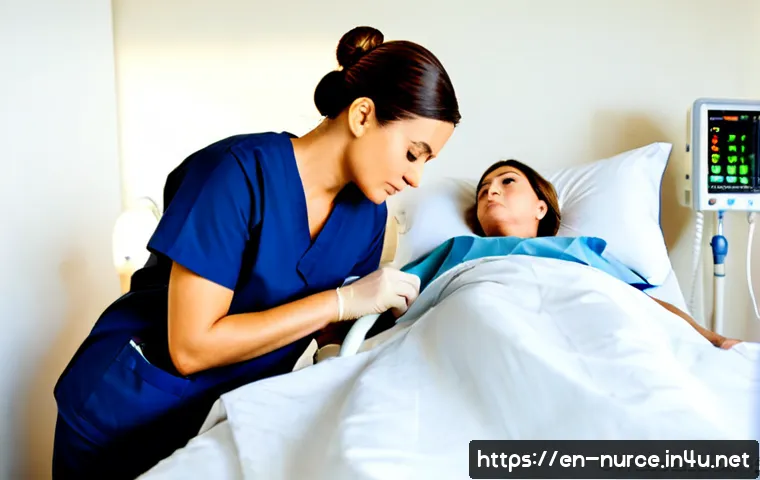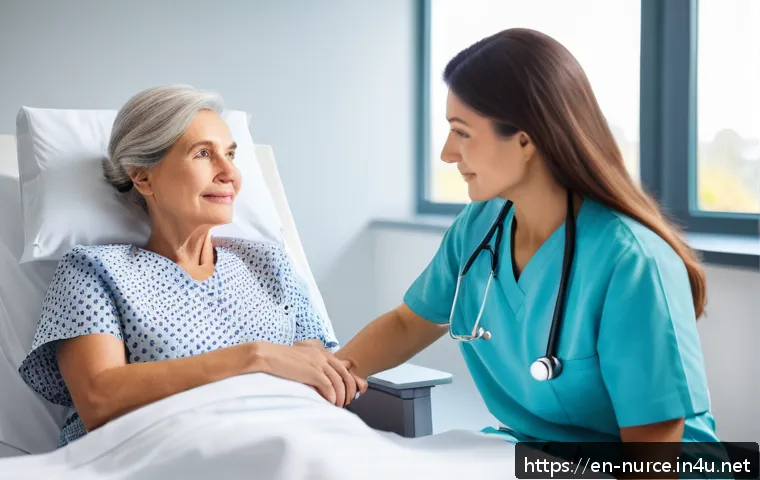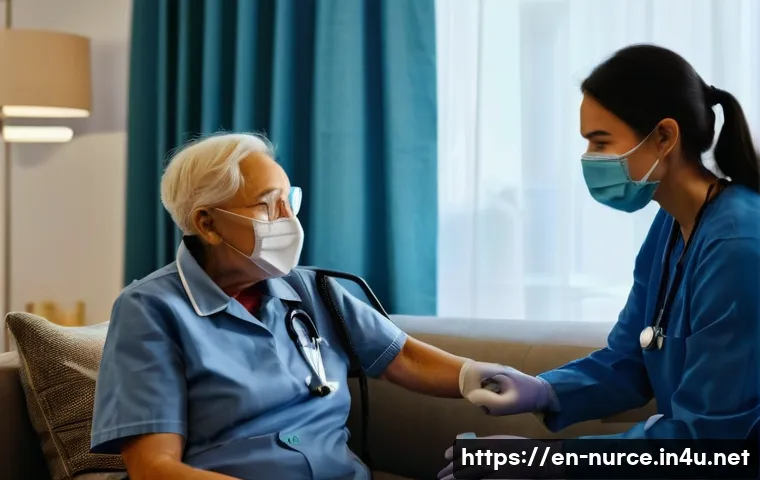
Visiting patients at home with a nurse offers a unique blend of personalized care and comfort that hospitals often can’t match. It allows healthcare professionals to assess living conditions firsthand, tailor treatments more effectively, and build stronger trust with patients.
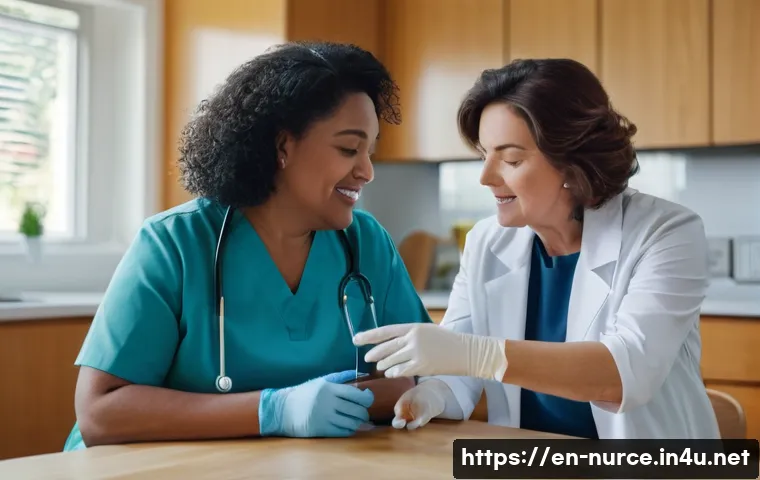
From chronic illness management to post-surgery support, home visits bridge the gap between clinical care and daily life challenges. Many patients feel more at ease and engaged in their recovery when care comes to their doorstep.
Let’s dive deeper into why these visits are transforming healthcare and how they can benefit both patients and caregivers. We’ll explore all the important details below!
Understanding the Impact of Home Nursing Visits on Patient Well-being
Personalized Care Tailored to Individual Needs
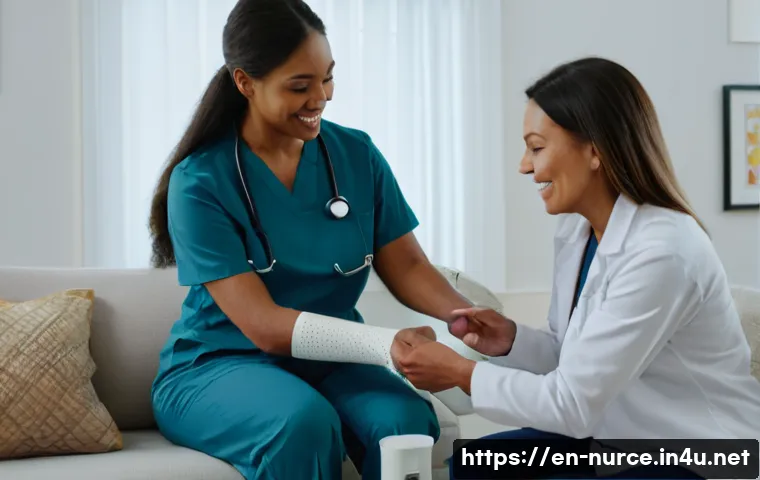
When a nurse visits a patient at home, the care becomes inherently more personalized. Unlike hospital settings where time is limited and environments are standardized, home visits allow nurses to observe the patient’s daily routines, home environment, and support system.
This firsthand insight helps nurses adjust treatments to fit the patient’s lifestyle and preferences, making care plans more effective and sustainable.
For example, if a patient struggles with mobility, the nurse can suggest practical modifications in the home to enhance safety and independence. This level of customization fosters better adherence to treatment and often leads to improved health outcomes.
Building Trust and Emotional Connection
The comfort of being in one’s own home plays a huge role in easing anxiety during medical interactions. Patients often feel more relaxed and open when they’re not confined to sterile hospital rooms or busy clinics.
Nurses visiting homes can spend more time listening and engaging with patients and their families, which builds stronger relationships based on trust and empathy.
From my experience, patients who feel emotionally supported are more motivated to participate actively in their recovery process. This emotional connection is critical, especially for managing chronic illnesses where ongoing cooperation and encouragement are essential.
Real-World Assessment of Health Challenges
Home visits offer an unmatched opportunity to assess the real-life factors affecting a patient’s health. Nurses can identify potential hazards like cluttered walkways, poor lighting, or inaccessible medication storage, which might not be apparent during hospital visits.
They can also evaluate dietary habits, social interactions, and caregiving support available, all of which directly influence recovery and disease management.
This comprehensive approach helps in crafting holistic care plans that address both medical and lifestyle factors, ultimately enhancing patient safety and well-being.
Enhancing Chronic Disease Management through Home Care
Continuous Monitoring and Early Intervention
Chronic diseases like diabetes, heart failure, or COPD require vigilant monitoring to prevent complications. Home nursing visits make it possible to check vital signs, medication adherence, and symptom changes regularly without the need for frequent hospital trips.
This continuous oversight allows for early detection of warning signs and timely interventions, reducing emergency room visits and hospital readmissions.
Personally, I’ve seen patients maintain better control over their conditions when supported by regular home visits, as they receive immediate guidance and reassurance.
Empowering Patients with Education and Support
One of the most valuable aspects of home nursing is education tailored to the patient’s specific situation. Nurses can teach patients and their caregivers how to manage symptoms, use medical devices properly, and recognize when to seek help.
This hands-on training, combined with the comfort of home, often leads to better comprehension and confidence. For instance, demonstrating insulin injections or wound care in a familiar setting helps patients feel less intimidated and more competent in managing their health independently.
Reducing Healthcare Costs and Burden
Chronic illness management at home can significantly cut down healthcare expenses. By preventing complications and hospital stays, home care reduces the financial strain on both patients and healthcare systems.
Additionally, patients save time and avoid the stress of transportation to medical facilities. This cost-effectiveness benefits families and insurers alike, making home nursing a practical choice for long-term care.
Supporting Post-Surgery Recovery with Home Visits
Customized Rehabilitation Plans
After surgery, recovery is often a delicate phase requiring close monitoring and rehabilitation. Nurses visiting patients at home can create and adjust recovery plans based on real-time progress.
They ensure wounds are healing properly, provide pain management advice, and assist with mobility exercises tailored to the patient’s pace. This individualized approach accelerates healing and reduces the risk of complications like infections or blood clots.
Psychological Comfort and Reduced Stress
Recovering in a familiar environment surrounded by loved ones can improve mental well-being, which is crucial for physical healing. Home visits provide emotional support and encouragement that hospitals sometimes lack due to their fast-paced nature.
Patients often report feeling less isolated and more motivated to adhere to recovery protocols when care is delivered at home.
Coordinating Multidisciplinary Care
Post-surgery care frequently involves multiple healthcare providers, including physical therapists, dietitians, and physicians. Nurses act as coordinators during home visits, ensuring seamless communication among the care team.
This coordination minimizes errors, optimizes treatment effectiveness, and provides patients with a clear, cohesive recovery plan.
Practical Challenges and Solutions in Home Healthcare
Managing Time and Resource Constraints
One challenge of home nursing is balancing the time spent with each patient against the need to serve many individuals. Nurses must be efficient without compromising care quality.
Innovative scheduling, use of telehealth tools for follow-up, and prioritizing high-need cases help manage workloads effectively. From what I’ve observed, well-organized teams and technology integration make a huge difference in overcoming these hurdles.
Ensuring Safety for Patients and Caregivers
Safety concerns exist in home care, from infection control to handling emergency situations. Nurses receive specialized training to maintain hygiene standards and to assess risks in home environments.
They also educate patients and families on emergency preparedness. This proactive approach minimizes accidents and promotes a secure atmosphere for both parties.
Addressing Emotional and Social Barriers
Some patients may feel isolated or reluctant to accept home visits due to privacy concerns or cultural reasons. Building rapport through initial phone calls, clear communication about the benefits of home care, and respecting patient preferences are key strategies.
Nurses often share their own experiences to connect on a human level, which helps ease apprehension and fosters acceptance.
The Role of Technology in Enhancing Home Nursing
Telehealth Integration for Continuous Support
Combining in-person visits with telehealth consultations has revolutionized home care. Nurses can check in virtually between visits, monitor vital signs remotely, and adjust care plans promptly.
This hybrid model increases accessibility and convenience for patients, especially those in rural or underserved areas. I’ve found that patients appreciate this flexibility, as it keeps them connected to their care team without overwhelming schedules.
Use of Mobile Health Devices and Apps
Wearable devices and health apps enable patients to track symptoms, medication schedules, and physical activity. Nurses can review this data during visits to fine-tune treatments.
These tools empower patients to take an active role in managing their health, which boosts motivation and accountability. Seeing real-time progress can be very encouraging, creating a positive feedback loop.
Data Security and Privacy Considerations
With increased technology use comes the responsibility of protecting patient information. Healthcare providers implement strict protocols and encryption to safeguard data.
Nurses also educate patients on how to use devices safely and maintain confidentiality. Trust in technology is essential for successful adoption in home care settings.
Comparing Home Nursing Visits with Traditional Care Settings
| Aspect | Home Nursing Visits | Hospital/Clinic Care |
|---|---|---|
| Environment | Familiar and comfortable, personalized setting | Clinical, standardized, sometimes intimidating |
| Care Personalization | Highly tailored to individual lifestyle and needs | Generalized protocols, less customization |
| Patient Engagement | Higher due to comfort and trust | Often limited by time and setting |
| Cost | Generally lower, reduces hospital stays | Higher due to facility overhead and procedures |
| Accessibility | Convenient for immobile or rural patients | Requires travel and scheduling |
| Technology Use | Hybrid model with telehealth and wearables | Primarily in-person with some telemedicine |
| Safety | Requires home risk assessment and training | Controlled environment with immediate emergency care |
Enhancing Caregiver Support through Home Visits
Providing Respite and Guidance
Family caregivers often face burnout, juggling their own lives alongside caregiving duties. Nurses visiting homes can offer much-needed respite by taking over some tasks, even if briefly.
They also provide training and emotional support to caregivers, which helps reduce stress and improve care quality. I’ve witnessed caregivers regain confidence and energy after receiving this kind of support.
Facilitating Communication with Healthcare Providers
Nurses act as liaisons between patients, families, and doctors, ensuring everyone is on the same page. They help explain medical instructions, report progress, and advocate for patient needs.
This communication bridge is vital to avoid misunderstandings and ensure continuity of care.
Encouraging Community and Social Engagement
Isolation can be a huge issue for patients and caregivers alike. Home nurses often connect families with community resources, support groups, and social services.
This network can greatly enhance emotional well-being and provide practical assistance, making the caregiving journey less lonely and more manageable.
Conclusion
Home nursing visits play a vital role in enhancing patient well-being by offering personalized care in a comfortable environment. They foster stronger emotional connections, improve chronic disease management, and support smoother recovery after surgery. By addressing practical challenges and leveraging technology, home nursing continues to evolve as a patient-centered alternative to traditional care settings.
Useful Information to Keep in Mind
1. Home visits allow nurses to tailor care plans specifically to the patient’s lifestyle, improving treatment adherence and outcomes.
2. Emotional support during home care can motivate patients and ease anxiety, which is crucial for chronic illness management.
3. Continuous monitoring through home visits helps detect health changes early, preventing costly hospital readmissions.
4. Combining in-person care with telehealth enhances accessibility and convenience without sacrificing quality.
5. Supporting family caregivers through training and respite reduces burnout and strengthens the overall care network.
Key Takeaways
Home nursing visits offer a personalized, comfortable approach that benefits both patients and caregivers by improving health outcomes and reducing costs. Effective coordination, safety measures, and technology integration are essential to maximize the impact of home care. Building trust and addressing emotional needs create a supportive environment that encourages patient engagement and fosters long-term well-being.
Frequently Asked Questions (FAQ) 📖
Q: What are the main benefits of having a nurse visit patients at home instead of going to a hospital?
A: Having a nurse visit patients at home offers several key advantages. First, it provides personalized care tailored to the patient’s unique living environment and daily routine, which hospitals can’t always accommodate.
Nurses can observe firsthand any challenges or safety risks in the home, allowing for more effective treatment adjustments. Patients often feel more comfortable and less stressed in their own space, which can boost recovery and engagement.
Plus, it reduces the hassle of travel for those with mobility issues or chronic conditions, making healthcare more accessible and convenient.
Q: How do home nurse visits help in managing chronic illnesses?
A: For chronic illness management, home nurse visits play a vital role. Nurses can monitor symptoms, administer medications, and educate patients and caregivers on managing the condition day-to-day.
By seeing the patient’s environment, nurses can identify potential triggers or barriers to effective care, such as diet, medication storage, or support system gaps.
This hands-on, personalized approach often leads to better adherence to treatment plans and fewer hospital readmissions. From my experience, patients tend to open up more during home visits, allowing nurses to catch issues early and tailor interventions promptly.
Q: Are home nurse visits suitable for post-surgery recovery, and what should patients expect?
A: Absolutely, home nurse visits are highly beneficial for post-surgery recovery. Nurses can assist with wound care, pain management, mobility support, and monitoring for signs of complications like infections.
Patients can expect a more relaxed recovery process without the stress of hospital stays or frequent clinic visits. The nurse also provides education on exercises, medication schedules, and lifestyle modifications essential for healing.
In my observation, this personalized attention helps patients regain independence faster and feel more confident managing their recovery at home.