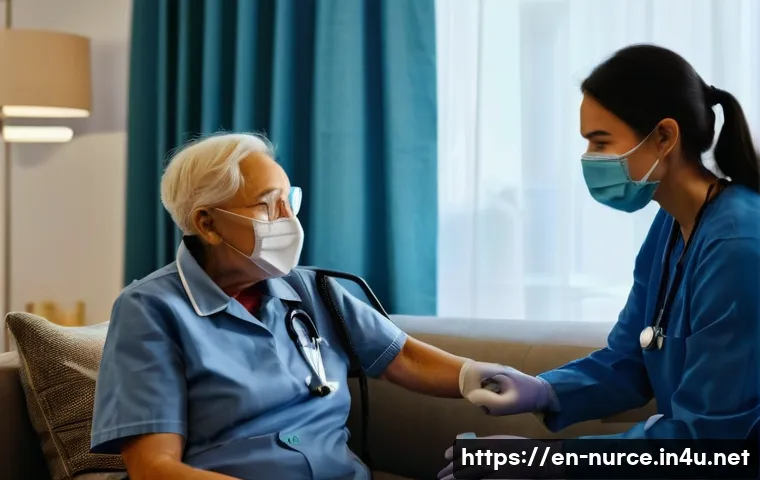
In today’s fast-paced healthcare environment, effective communication between nurses and patients is more critical than ever. With the rise of patient-centered care models and increasing awareness of mental health, building trust through meaningful interactions can significantly improve health outcomes.

I’ve seen firsthand how small changes in communication style can transform patient experiences and boost their confidence in treatment plans. If you’re curious about practical strategies to deepen these connections and enhance care, stick around—there’s a lot we can explore together to make every conversation count.
Let’s dive into how mastering nurse-patient communication can truly change lives.
Building Genuine Connections Beyond Words
Listening Actively to Understand, Not Just Respond
When nurses truly listen without the urge to immediately reply, they create a safe space where patients feel heard and valued. I’ve noticed that when I slow down and focus on the patient’s tone, pauses, and emotions, I pick up on unspoken concerns that can be just as important as the words themselves.
This means leaning in, maintaining eye contact, and sometimes simply sitting quietly while the patient gathers their thoughts. It’s amazing how this kind of active listening can ease anxiety and open the door to more honest conversations, which ultimately lead to better care decisions.
Using Empathy to Bridge Emotional Gaps
Empathy isn’t just about saying “I understand”; it’s about showing it through genuine expressions and responses. In my experience, sharing small moments of vulnerability or acknowledging a patient’s struggles can transform a clinical encounter into a heartfelt interaction.
For instance, when a patient expresses fear about a procedure, responding with, “That sounds really tough, and it’s okay to feel this way,” helps them feel less alone.
This emotional validation builds trust and encourages patients to participate more actively in their treatment plans.
Tailoring Language to Meet Individual Needs
Every patient comes with a unique background, education level, and cultural context. Using medical jargon can alienate or confuse, while oversimplifying might feel patronizing.
I’ve found that asking patients how much detail they want and adjusting explanations accordingly makes a huge difference. Some prefer analogies or visuals, while others want direct facts.
Respecting these preferences not only improves understanding but also empowers patients to make informed decisions about their health.
Nonverbal Cues: The Silent Language of Care
The Power of Body Language in Patient Interactions
Body language often communicates more than spoken words. When nurses maintain an open posture, nod affirmatively, and smile warmly, it reassures patients that they are in good hands.
I recall one patient who was visibly tense and withdrawn; by simply sitting at eye level and mirroring their relaxed breathing, I noticed their posture soften over time.
This subtle shift can signal empathy and attentiveness without a single word, enhancing the overall patient experience.
Recognizing and Responding to Patient Nonverbal Signals
Patients might express discomfort, confusion, or distress through facial expressions, fidgeting, or avoiding eye contact. Being attuned to these signals allows nurses to pause and address underlying issues before they escalate.
For example, I once noticed a patient’s clenched fists during discharge instructions, which prompted me to ask if they had any concerns. This opened up a dialogue about medication side effects that they hadn’t felt comfortable mentioning before.
Awareness of such cues can prevent misunderstandings and improve adherence.
Creating a Therapeutic Environment Through Physical Presence
Sometimes, the way a nurse physically approaches or positions themselves in a room can set the tone for the entire interaction. Moving closer when privacy is needed, or stepping back to give the patient space, shows respect for personal boundaries.
I’ve found that being mindful of these spatial dynamics helps patients feel more comfortable and respected, which in turn fosters openness and cooperation throughout their care journey.
Clear and Compassionate Information Sharing
Breaking Down Complex Medical Information
Medical terminology can be overwhelming for many patients. I always try to break down complex concepts into everyday language, using simple analogies or relatable examples.
For example, describing blood pressure as “the force your heart uses to push blood through your body” often clicks better than technical jargon. This approach not only clarifies but also reduces patient anxiety by making the unknown more understandable.
Encouraging Questions Without Judgment
Patients sometimes hesitate to ask questions for fear of seeming uninformed. I make it a point to invite questions explicitly and assure patients that no question is too small or silly.
Phrases like “What questions do you have?” or “Let me know if anything isn’t clear” can create an open dialogue. I’ve noticed that this encourages patients to engage more actively in their care, making them feel empowered rather than overwhelmed.
Using Teach-Back Methods to Confirm Understanding
To ensure patients truly grasp the information, I ask them to explain back what they’ve understood in their own words. This teach-back technique helps identify any gaps or misconceptions immediately.
In my practice, this has prevented many potential errors and increased patient confidence in managing their conditions at home. It’s a simple yet powerful tool that reinforces learning and supports safer outcomes.
Emotional Support as a Vital Communication Tool
Recognizing Emotional Cues and Responding Appropriately
Patients often come with emotional baggage that influences their health and recovery. I’ve learned to watch for subtle signs like tearfulness, silence, or irritability, which may signal deeper distress.
Addressing these emotions openly, such as saying, “It seems like this is really overwhelming for you,” can validate their feelings and open the door for further support.
This acknowledgment helps patients feel less isolated and more understood.
Offering Reassurance Without False Promises
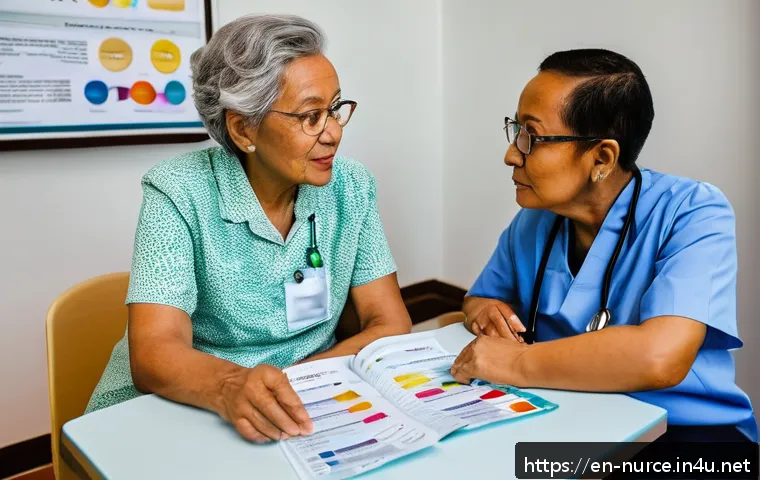
It’s tempting to provide quick reassurances, but honesty balanced with compassion is key. I avoid vague promises and instead focus on what can be done, highlighting strengths and available resources.
Saying, “While this is challenging, we have a strong team here to support you every step of the way,” provides realistic hope that builds trust without setting unrealistic expectations.
Connecting Patients to Additional Support Networks
Beyond the nurse-patient interaction, linking patients to social workers, counselors, or support groups can be life-changing. I often share information about these resources when I sense a patient needs more than just medical care.
This holistic approach acknowledges the emotional and social dimensions of health and shows patients they are not facing their challenges alone.
Overcoming Barriers to Communication in Diverse Settings
Addressing Language Differences Effectively
Language barriers can create significant challenges in healthcare. I’ve found that using professional interpreters rather than relying on family members ensures accuracy and confidentiality.
Additionally, employing visual aids or translated materials can enhance understanding. Being patient and allowing extra time for these interactions demonstrates respect and commitment to quality care.
Navigating Cultural Sensitivities with Respect
Cultural beliefs often shape how patients perceive illness and treatment. Taking the time to ask about cultural preferences or concerns shows respect and helps avoid misunderstandings.
For instance, some patients may prefer family involvement in decision-making or have dietary restrictions that affect medication schedules. Incorporating these nuances into communication builds rapport and aligns care with patients’ values.
Managing Time Constraints Without Sacrificing Quality
In busy clinical environments, time is limited, but quality communication remains essential. I’ve learned to prioritize key messages, use concise yet compassionate language, and schedule follow-ups when deeper conversations are needed.
Even brief moments of genuine attention can make a lasting impact, proving that it’s not about the length of interaction but the quality.
Practical Tools to Enhance Communication Skills
Utilizing Technology to Support Patient Engagement
Digital tools like patient portals, telehealth, and educational apps can supplement face-to-face communication. I encourage patients to use these platforms for appointment reminders, medication tracking, and accessing personalized health information.
From my experience, these tools empower patients to take charge of their health and maintain communication beyond the clinical setting.
Continuous Training and Reflection for Nurses
Communication skills improve with ongoing practice and self-awareness. Participating in workshops, role-playing scenarios, and reflective journaling has helped me identify my strengths and areas for growth.
Sharing experiences with colleagues also provides fresh perspectives and strategies. This commitment to learning keeps communication dynamic and patient-centered.
Creating Personalized Communication Plans
Every patient benefits from a tailored approach. I often develop individualized communication plans that consider cognitive abilities, emotional state, and preferences.
For example, for patients with hearing impairments, I use written summaries and visual aids. These personalized plans ensure that communication is effective and respectful, ultimately supporting better health outcomes.
| Communication Strategy | Key Benefit | Practical Example |
|---|---|---|
| Active Listening | Builds trust and uncovers hidden concerns | Maintaining eye contact and allowing pauses during patient talks |
| Empathy Expression | Validates patient emotions and fosters connection | Saying, “It’s okay to feel this way” when patients express fear |
| Teach-Back Method | Ensures patient understanding and prevents errors | Asking patients to repeat care instructions in their own words |
| Use of Interpreters | Overcomes language barriers and maintains confidentiality | Scheduling professional interpreters for non-English speaking patients |
| Nonverbal Awareness | Detects unspoken distress and adjusts care accordingly | Noticing clenched fists or avoiding eye contact during consultations |
In Conclusion
Building genuine connections in healthcare goes far beyond just exchanging words. It requires active listening, empathy, and thoughtful communication tailored to each patient’s unique needs. When nurses embrace these principles, they foster trust, reduce anxiety, and create a supportive environment that enhances patient outcomes and satisfaction.
Helpful Information to Keep in Mind
1. Active listening helps uncover unspoken concerns and builds stronger trust between nurse and patient.
2. Using empathy to acknowledge emotions can transform clinical interactions into meaningful connections.
3. Simplifying medical information and confirming understanding through teach-back reduces confusion and anxiety.
4. Recognizing nonverbal cues allows for timely support and better patient comfort.
5. Addressing language and cultural differences respectfully ensures more inclusive and effective communication.
Key Takeaways for Effective Communication
Effective communication in healthcare is a multifaceted skill that combines verbal clarity, emotional intelligence, and cultural sensitivity. Prioritizing patient-centered approaches—such as active listening, empathetic responses, and personalized communication plans—not only improves understanding but also strengthens trust and engagement. Ultimately, these efforts contribute to safer, more compassionate care and better health outcomes for patients.
Frequently Asked Questions (FAQ) 📖
Q: uestions about Nurse-Patient CommunicationQ1: How can nurses build trust quickly with patients during short interactions?
A: Building trust doesn’t always require lengthy conversations. Simple actions like maintaining eye contact, using the patient’s name, and actively listening can make a huge difference.
I’ve noticed that when nurses show genuine empathy and avoid medical jargon, patients feel more comfortable opening up. Even a brief moment of kindness or reassurance can set the tone for a trusting relationship that encourages patients to engage fully in their care.
Q: What are some effective strategies to improve communication with patients who have mental health concerns?
A: Patience and nonjudgmental listening are key when communicating with patients facing mental health challenges. It helps to create a calm environment and validate their feelings without rushing to offer solutions.
From my experience, asking open-ended questions and reflecting back what the patient says fosters deeper understanding. Also, collaborating with mental health professionals ensures that communication is both sensitive and supportive, ultimately improving treatment adherence and outcomes.
Q: How does enhancing nurse-patient communication impact overall health outcomes?
A: Strong communication leads to better patient satisfaction, which directly influences their willingness to follow treatment plans and attend follow-ups.
I’ve seen patients become more confident and proactive about their health when nurses take time to explain procedures clearly and involve them in decision-making.
This empowerment not only reduces anxiety but also decreases hospital readmissions and promotes faster recovery, proving that effective communication is truly a cornerstone of quality care.