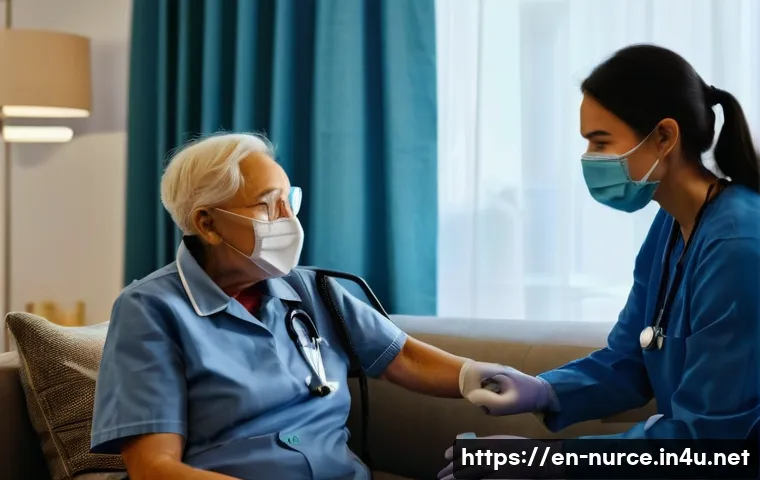
ICU nurses care for critically ill patients by watching for rapid changes, delivering ordered treatments safely, documenting care, and coordinating closely with the wider clinical team.

The role suits nurses who can prioritize under pressure, communicate clearly, and ask for help early when a patient’s condition changes. Preparation commonly involves a structured ICU orientation, guided clinical practice with a preceptor, and ongoing skills development.
New graduates may enter through a residency program, while other nurses may transfer from step-down or another acute-care setting. Before choosing a hospital or training route, compare the level of preceptor support, education resources, certification preparation, and employment benefits.
Exact staffing, schedules, scope of practice, and qualification expectations depend on the location and employer.
At a Glance
- ICU nurses provide continuous bedside assessment for patients whose condition may change quickly.
- Safe medication administration, equipment checks, documentation, and escalation are central parts of the work.
- Strong ICU preparation usually includes a structured orientation, reliable preceptor support, and continuing clinical education.
| ICU Entry Path | Best Fit | What to Compare Before Applying |
|---|---|---|
| New-graduate residency | Newly licensed nurses seeking a supported transition into critical care | Orientation structure, preceptor consistency, simulation training, feedback process, and clinical education |
| Internal transfer from step-down or acute care | Nurses who already have bedside experience and want to build critical-care skills | Transfer requirements, ICU orientation length, skill validation, and support during higher-acuity assignments |
| Experienced ICU hire | Nurses with prior critical-care practice who are changing employers or unit types | Unit specialty, onboarding expectations, staffing approach, certification support, and employer benefits |
What Critical Care Nurses Handle During a Typical Shift
ICU nursing is centered on close observation, rapid prioritization, and coordinated care. A typical shift can include planned assessments and treatments, but the nurse must also be ready to respond when a patient’s status changes. The exact workflow varies by patient acuity, unit type, local policies, and the care team available during the shift.
Continuous Assessment, Monitoring, and Early Escalation
Critical care nurses assess patients repeatedly, review bedside monitoring information, observe physical changes, and compare current findings with the patient’s known condition and care plan. The goal is not to wait for a problem to become obvious. It is to identify concerning changes early and communicate them through the appropriate clinical process.
Early escalation is a safety skill, not a sign of weakness. A nurse may need to involve another experienced nurse, the physician, respiratory therapist, pharmacist, or other team member when a situation is outside their current authority, training, or confidence. ICU nurses should avoid assuming that an unexpected change can be managed alone.
Medication Safety, Equipment Checks, and Clinical Documentation
Medication-related work in critical care requires careful attention because patients may receive complex therapies and need frequent reassessment. Nurses follow facility processes for medication administration, verification, monitoring, and documentation. When equipment is in use, they also check that it is functioning as expected and report concerns promptly.
Documentation supports continuity of care. It records assessments, interventions, communication, and the patient’s response. Incomplete charting can create clinical and communication risks, especially when several professionals are involved in care. Accurate records are not simply an administrative task; they help the next clinician understand what happened and what still needs attention.
Communication With Patients, Families, and the Interdisciplinary Team
ICU nurses often explain what they can in clear, respectful language while recognizing that patients and families may be frightened, tired, or overwhelmed. They share observations with the care team, clarify orders when needed, and help families understand who is involved in care. They do not replace physician-led discussions about diagnosis, prognosis, or treatment decisions when those conversations fall outside the nursing role.
Good communication includes knowing the boundary between providing support and making promises. A calm explanation of the next step can be helpful. A statement that suggests a guaranteed outcome is not.
ICU Nursing Roles Compared: New Graduate, Step-Down, and Experienced ICU Paths
There is no single path into critical care nursing. The best route depends on current clinical experience, the employer’s hiring criteria, available training resources, and the type of ICU. Candidates should focus less on finding a universally “fastest” path and more on finding an environment where they can learn safely.
What Employers May Look for at Each Entry Point
For a new graduate, employers may look for readiness to learn, professional communication, careful attention to feedback, and a realistic understanding of high-acuity bedside work. A residency program can offer a more structured transition, but applicants should still ask how clinical performance is supported when they encounter unfamiliar situations.
Nurses transferring from step-down or another acute-care area may bring useful assessment, prioritization, and handoff experience. However, ICU practice can require additional training with monitoring, complex equipment, and rapidly changing care plans. Experienced ICU nurses may be assessed on specialty background, clinical competencies, teamwork, and adaptability to a different unit culture or patient population.
Orientation Length, Preceptor Support, and Workload Considerations
Orientation quality matters more than a simple calendar comparison. Ask how the program progresses from observation to supervised practice and how competency concerns are addressed. A strong preceptor relationship can make it easier to ask questions, receive direct feedback, and build sound habits before taking on more independent responsibility.
Workload expectations should also be discussed openly. Patient acuity, staffing availability, shift type, and unit policies can all affect a nurse’s day. Avoid choosing a position based only on a job title or a broad promise of “excellent training.” Ask what practical support is available when patient needs are unusually complex.
Core Skills, Tools, and Safety Practices in Critical Care
ICU nursing requires clinical knowledge, but it also depends on habits that protect patients and support the team. Nurses develop these habits through orientation, supervised practice, continuing education, and honest reflection after difficult shifts.
Prioritization During Rapid Patient Changes
When multiple needs compete for attention, critical care nurses identify what requires immediate action, what can be delegated according to policy, and what needs team involvement. This is not about doing everything at once. It is about recognizing urgency, communicating clearly, and returning to unfinished tasks after the most pressing concern is addressed.
One common early-career mistake is delaying a call because the nurse wants to gather every possible detail first. Relevant information is useful, but a concerning change should be escalated without unnecessary delay. With experience, nurses become more efficient at reporting focused observations and asking for the support they need.
Handoffs, Infection Prevention, and Accurate Charting
Safe handoffs help the next nurse understand the current condition, recent events, planned treatments, and unresolved concerns. A rushed or vague report can lead to missed details. Nurses should follow the unit’s handoff process and make time for questions when possible.
Infection prevention is also part of everyday practice. ICU patients may be especially vulnerable, so nurses follow workplace procedures related to hygiene, equipment handling, isolation precautions, and line or device care. These practices must be learned from current employer policies and clinical education, not assumed from a general online guide.
When to Seek Immediate Support From the Care Team
Seek support when a patient has an unexpected deterioration, when monitoring or equipment behavior is concerning, when an order is unclear, or when a task exceeds current competence or authorized scope. It is also appropriate to seek help when workload makes it difficult to maintain safe attention to all assigned responsibilities.
Do not treat uncertainty as something to hide. A supportive ICU culture encourages nurses to speak up, verify information, and use available clinical resources. This is an important point to evaluate during interviews and orientation.
Workplace Realities: Schedule Demands, Emotional Load, and Team Support
ICU work can be meaningful and demanding at the same time. Nurses may care for patients and families during highly stressful moments, manage sudden changes in priority, and work schedules that include nights or other nontraditional hours. Exact shift patterns and workload conditions vary by hospital, unit, region, staffing agreements, and patient acuity.
Night Shifts, Staffing Variability, and Patient Acuity
Night work may affect sleep routines, family routines, transportation planning, and recovery time. Staffing can also vary from shift to shift. Before accepting an ICU position, ask how the unit handles orientation on different shifts, who is available for clinical support, and what resources are accessible when the workload becomes more complex.

Patient acuity can change quickly, even in a unit that feels calm at the beginning of a shift. A realistic candidate understands that flexibility is part of the role. At the same time, flexibility should not mean accepting unclear expectations or inadequate training.
Managing Stress Without Treating Burnout as a Personal Failure
Emotional strain in critical care is not proof that someone is unfit for nursing. It can reflect repeated exposure to urgent situations, grief, heavy responsibility, and limited recovery time. Helpful support may include experienced colleagues, a manager, employee support resources, peer debriefing, and professional counseling resources where available.
When comparing hospital employment options, ask how the organization supports staff after difficult events and how nurses can raise concerns. Team support is a workplace factor, not only an individual coping skill.
Choosing an ICU Career Path: Training, Certification, and Employer Comparison
An ICU job offer should be evaluated as a training and support decision, not only an employment decision. Consider what you need now, what skills you want to develop, and whether the employer offers a safe path toward greater independence.
Questions to Ask About Residency Programs and Preceptorship
Ask whether the ICU residency includes classroom learning, simulation, supervised clinical time, regular evaluations, and a clear process for requesting additional help. Ask whether you will have consistent preceptors or rotate among several nurses. Neither model is automatically better, but candidates should understand how feedback and accountability will work.
It is also reasonable to ask how the unit supports a nurse who needs more time with a particular skill. A program that describes remediation, coaching, or additional education clearly may offer a more realistic view of professional development than one that simply promises a smooth transition.
Comparing Tuition Support, Certification Reimbursement, and Clinical Development Resources
Employer benefits may include support for continuing education, certification preparation, tuition assistance, conference attendance, or internal clinical advancement. Availability and eligibility can differ widely, so review the official details before treating any benefit as part of your decision.
Compare the practical value of each option. For example, a certification review course may be useful if it fits your current experience level and career goal. Tuition support may matter more if you plan to continue formal nursing education. Look beyond the headline benefit and check eligibility rules, reimbursement conditions, and required commitments.
When Specialty Training May Be Worth the Investment
Specialty training or certification preparation may be worth considering when it supports your present clinical role, strengthens a planned career direction, or is recognized by the employer’s development pathway. It may be less useful when you are still building basic ICU confidence and need hands-on orientation support first.
Before paying for a course or exam preparation resource, compare accreditation or recognition, course format, clinical relevance, employer reimbursement, and cancellation terms. Official program pages and employer education departments are the best places to confirm current conditions.
Practical Takeaways for Future and Current ICU Nurses
Future ICU nurses should prepare for a role that rewards curiosity, careful communication, and steady follow-through. Technical skills matter, but so do documentation, escalation, handoffs, and the ability to accept coaching. The goal in a first ICU role is not to appear independent immediately; it is to become safe, reliable, and increasingly confident with appropriate support.
A Pre-Application and First-Year Readiness Checklist
- Review whether the role offers a structured ICU orientation rather than a vague promise of training.
- Ask how preceptors are assigned, how feedback is delivered, and who provides backup during difficult shifts.
- Clarify the unit type, common patient needs, and resources available from the interdisciplinary team.
- Prepare examples of how you communicate concerns, prioritize care, and learn from feedback.
- Check continuing-education options, certification preparation support, tuition assistance, and employment benefit conditions.
- Practice concise handoff communication and make accurate, timely documentation a daily habit.
Selection Criteria and Comparison Summary
Before choosing an ICU residency, transfer opportunity, or experienced-hire position, compare these points:
- Orientation design: Is there a clear progression from supervised learning to greater responsibility?
- Preceptor support: Will you have accessible, experienced guidance and regular feedback?
- Clinical development: Are continuing education and certification preparation relevant to your career plan?
- Employer benefits: Are tuition support, reimbursement policies, and eligibility terms clearly explained?
- Workplace culture: Can nurses escalate concerns, ask questions, and receive help without being dismissed?
For current details on accredited education, certification preparation, and employer benefits, review the official program or employer information page before making a commitment.
In Closing
ICU nurses combine close bedside observation with organized communication and safe clinical practice. The work can be demanding because patient needs and priorities may change quickly. A strong start depends on realistic expectations, a supportive orientation, and the willingness to seek help early. When comparing roles, choose the setting that offers the clearest path to safe learning and sustained professional growth.
Useful Things to Know
1. ICU nursing responsibilities overlap with other professionals, but each team member has a distinct role and scope of practice.
2. A good handoff can be as important as a good assessment because it protects continuity of care.
3. Certification preparation is most useful when it matches your experience, employer expectations, and longer-term career direction.
4. Job title alone does not explain the quality of an ICU work environment; orientation and team culture deserve close attention.
Important Notes
This is a general career guide, not clinical, legal, licensing, or employment advice. Nurse-to-patient assignments, scheduling, pay, scope of practice, certification expectations, and orientation requirements vary by country, state or province, hospital, unit type, union agreement, and patient acuity. Confirm current requirements with the relevant nursing regulator, employer, education provider, and official certification organization.
Frequently Asked Questions
Q1. What are the main responsibilities of an ICU nurse?
A1. ICU nurses provide close patient assessment, monitor for changes, administer and evaluate ordered treatments, check equipment, document care, communicate with families, and coordinate with the interdisciplinary team. They also escalate concerns promptly when a patient’s condition changes or when they need additional support.
Q2. Can a new graduate nurse work in an ICU, and what training should they look for?
A2. Some employers offer ICU opportunities for new graduates through residency or structured orientation programs. Look for clear clinical education, supervised practice, consistent preceptor support, regular feedback, and a defined process for building competency. Entry requirements vary by employer and location.
Q3. How should nurses compare ICU residency programs, certification support, and employer benefits?
A3. Compare orientation structure, preceptor access, workload expectations, learning resources, and workplace culture first. Then review certification preparation, tuition support, reimbursement rules, and any employment conditions in the official program materials. The strongest option is usually the one that fits your current experience and provides reliable support for safe development.