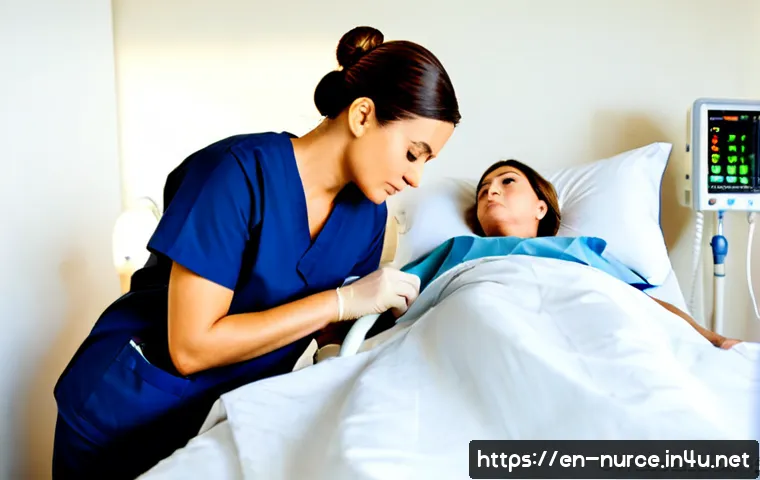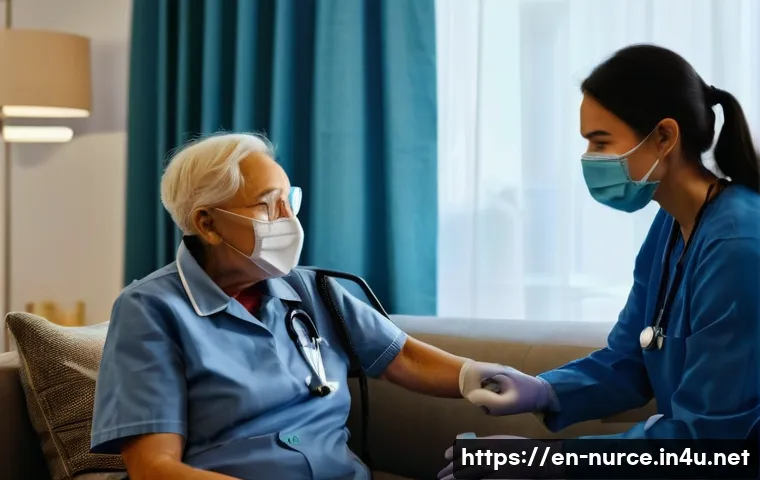
In today’s world, where healthcare demands are skyrocketing and emergencies strike without warning, emergency room nurses stand at the frontline, making split-second decisions that save lives.

With the recent surge in patient volumes and evolving medical challenges, their role has never been more critical or intense. If you’ve ever wondered what it truly takes to thrive in such a high-stakes environment, you’re in the right place.
Let’s dive into real-life cases and the remarkable decision-making processes that define emergency room nursing—stories that reveal the courage, skill, and heart behind every shift.
Stick around; you’re about to see healthcare from an entirely new perspective.
Mastering Rapid Assessment Under Pressure
Prioritizing Patients When Seconds Count
In the chaos of a busy emergency room, the ability to quickly triage patients is a skill that separates seasoned nurses from the rest. I remember one night when multiple trauma cases flooded in simultaneously—car accident victims, a heart attack patient, and a child with severe asthma.
The key was not just recognizing who looked most critical but swiftly interpreting vital signs, symptoms, and history to assign priority. This process demands not only clinical knowledge but an intuitive sense built from experience.
It’s like juggling flaming torches—one wrong move and everything could spiral out of control. The adrenaline pumps, but clarity must prevail.
Rapid Decision-Making: When Protocols Meet Real Life
Protocols provide a roadmap, but emergencies rarely follow a script. I once faced a patient showing atypical signs of stroke—his symptoms were subtle, and initial tests were inconclusive.
Instead of waiting for every result, I advocated for immediate imaging based on subtle clinical cues and my gut feeling. This quick judgment, backed by experience, led to early intervention and likely prevented severe disability.
It taught me how crucial it is to balance evidence-based protocols with real-time clinical intuition—this blend is the heartbeat of emergency nursing.
Communicating Under Duress: Coordinating the Team
When seconds matter, communication must be crystal clear and efficient. I’ve often been the linchpin between doctors, respiratory therapists, radiology, and family members—all while managing patient care.
The skill lies in delivering concise updates, delegating tasks without hesitation, and ensuring no detail slips through the cracks. One time, during a multi-patient influx, I used a quick, coded language with my team to streamline care—this minimized confusion and sped up critical interventions.
It’s a dance of words and actions, choreographed by experience and trust.
Balancing Emotional Resilience with Compassion
Facing Trauma Without Losing Yourself
Emergency nursing exposes you to raw human pain and crisis repeatedly. I’ve held the hand of a terrified mother while her child was rushed into surgery and comforted a patient after a devastating diagnosis.
Over time, I realized emotional resilience isn’t about shutting off feelings but managing them effectively. Taking a moment after a tough case to breathe and decompress is essential—otherwise, burnout creeps in.
This balance between empathy and self-care is a daily tightrope walk.
Dealing with Difficult Families and High Stress
Not all moments are clinical—sometimes, it’s the family members who bring the highest tension. I recall a case where a family was distraught over a loved one’s sudden condition, and their anxiety turned into frustration directed at the staff.
Staying calm, listening actively, and providing clear information helped defuse the situation. Over time, I’ve learned that emotional intelligence is as vital as medical knowledge in smoothing these interactions.
Finding Meaning in the Midst of Chaos
Despite the stress, there’s something profoundly rewarding about knowing your actions can turn a life around in minutes. Celebrating small wins, like seeing a patient stabilize or a grateful family’s smile, fuels my passion.
It’s this human connection, often overlooked in hectic moments, that reminds me why I chose emergency nursing in the first place.
Integrating Technology Without Losing the Human Touch
Utilizing Advanced Monitoring Tools Effectively
Modern ERs are packed with technology—from bedside monitors to portable ultrasound devices. While these tools provide invaluable data, I’ve found that technology is only as good as the nurse interpreting it.
For example, I once detected subtle changes on a cardiac monitor that prompted immediate intervention before the patient’s condition worsened. Staying proficient with these devices requires continuous learning but also a keen eye to catch anomalies that machines might not flag as urgent.
Electronic Health Records: Efficiency and Challenges
Switching to electronic health records (EHR) has streamlined documentation but introduced new challenges. During a hectic shift, I’ve encountered system lags or input errors that could delay critical treatment.
Over time, I developed strategies like pre-charting and quick checklists to minimize these setbacks. While EHRs enhance communication across departments, they also demand adaptability and vigilance to maintain patient safety.
Maintaining Patient Connection Amid Digital Distractions
Even with screens in front of me, I never want technology to become a barrier between me and my patients. I make it a point to maintain eye contact, explain procedures clearly, and listen actively.
This human connection builds trust, eases anxiety, and often leads to better outcomes. It’s a delicate balance—using technology as a tool rather than a shield.
Handling High-Stakes Procedures with Confidence
Rapid IV Access and Medication Administration
One of the most nerve-wracking moments is establishing IV access in critical patients—especially when veins are hard to find. I recall a case where every second counted for a septic shock patient, and after several failed attempts, I switched to an intraosseous line under pressure.
That moment tested my technical skill and calm under fire. Administering emergency medications requires precision, too—dosing errors can be fatal, so double-checking calculations even during chaos is non-negotiable.
Managing Airway Emergencies
Securing an airway can be life or death. I’ve assisted in intubations where the patient’s condition deteriorated rapidly, requiring swift action and close coordination with the anesthesiologist.
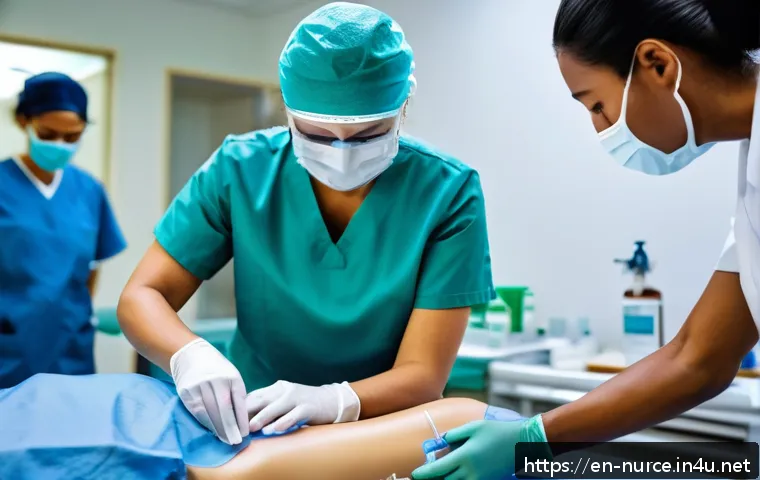
Preparation is key—having all equipment ready, anticipating complications, and maintaining composure. These high-stakes procedures underscore why simulation training has become a crucial part of emergency nursing education.
Wound Care and Trauma Management
From lacerations to severe blunt trauma, wound management is a daily task. Beyond technical skill in cleaning and suturing, it’s about preventing infection and promoting healing under time constraints.
I’ve learned that meticulous attention to detail, even in the busiest moments, pays off in reducing complications. It’s also about educating patients on care post-discharge, ensuring their recovery continues smoothly.
Coordinating Complex Patient Transfers and Discharges
Streamlining Transfers to Specialty Units
Transitioning patients from the ER to ICU or surgical units demands flawless coordination. I’ve seen delays cause deterioration, so I prioritize clear communication and timely updates.
It’s a juggling act involving transport teams, physicians, and family notifications. My experience taught me to anticipate potential bottlenecks and stay proactive to ensure seamless handoffs.
Discharge Instructions That Stick
Discharging patients is more than handing over papers. I take time to explain medications, warning signs, and follow-up plans in layman’s terms. Patients often leave overwhelmed, so repeating key points and providing written materials helps.
I’ve found that a well-informed patient reduces return visits and complications, which ultimately eases ER crowding.
Follow-Up Coordination and Patient Safety
Sometimes, patients require follow-up care that spans multiple specialties. I assist in scheduling appointments and liaising with social workers for patients with complex needs.
This continuity of care is vital for preventing readmissions. My role extends beyond the ER walls—ensuring patients remain supported after discharge is part of the bigger picture of emergency nursing.
Adapting to Evolving Challenges and Workloads
Managing Surges During Public Health Crises
The COVID-19 pandemic was a defining challenge. Patient volumes soared, resources became scarce, and protocols changed daily. I had to adapt quickly—learning new PPE guidelines, managing isolation protocols, and providing care under immense stress.
This period tested resilience like never before but also fostered innovation and teamwork.
Handling Staffing Shortages and Burnout
Like many ER nurses, I’ve experienced the strain of understaffing. It means longer shifts, fewer breaks, and heightened stress. To cope, I leaned on peer support, prioritized self-care, and advocated for mental health resources.
Recognizing burnout early and addressing it is crucial not just for nurses but for patient safety.
Continuous Learning in a Fast-Paced Environment
Emergency medicine evolves rapidly with new treatments and technologies. I commit to ongoing education—attending workshops, certifications, and peer discussions.
Staying current isn’t optional; it’s essential for delivering the best care. Embracing this mindset keeps me sharp and ready for whatever comes through the ER doors.
| Aspect | Key Actions | Impact |
|---|---|---|
| Rapid Assessment | Prioritize critical patients, use intuition with protocols, clear team communication | Faster interventions, improved survival rates |
| Emotional Resilience | Balance empathy with self-care, manage family stress | Reduced burnout, better patient-family interactions |
| Technology Use | Master monitoring tools, efficient EHR use, maintain patient connection | Enhanced diagnostics, smoother workflow, trust building |
| High-Stakes Procedures | Precision in IV access, airway management, wound care | Minimized complications, life-saving interventions |
| Patient Transfers & Discharges | Clear communication, thorough discharge education, follow-up coordination | Seamless care transitions, fewer readmissions |
| Adaptability | Respond to crises, manage workload, pursue continuous learning | Resilience, improved care quality, professional growth |
In Conclusion
Mastering rapid assessment and maintaining composure under pressure are essential skills in emergency nursing. Balancing clinical expertise with emotional resilience allows for effective patient care even in the most chaotic moments. Embracing technology while preserving human connection further enhances outcomes. Ultimately, continuous learning and adaptability ensure nurses remain confident and capable in high-stakes environments.
Helpful Information to Remember
1. Prioritize patients quickly by combining clinical knowledge with intuition to save critical time during emergencies.
2. Maintain emotional resilience by managing stress and practicing self-care without losing compassion for patients and families.
3. Use advanced monitoring tools and electronic health records efficiently but always keep patient interaction personal and clear.
4. Approach high-pressure procedures like IV access and airway management with precision and calm to minimize risks.
5. Ensure smooth patient transfers and thorough discharge instructions to support recovery and reduce hospital readmissions.
Key Takeaways
Effective emergency nursing demands rapid decision-making blended with empathy and strong communication skills. Mastery of technology must not overshadow the importance of human connection in patient care. Emotional balance is crucial to sustain long-term performance and avoid burnout. Preparation and continuous education empower nurses to handle evolving challenges confidently. Finally, seamless coordination across teams and clear patient guidance contribute significantly to successful treatment outcomes.
Frequently Asked Questions (FAQ) 📖
Q: What skills are essential for an emergency room nurse to handle high-pressure situations effectively?
A: Emergency room nurses need a unique blend of skills to thrive under pressure. Critical thinking tops the list, as they must rapidly assess patients and prioritize care in chaotic environments.
Strong communication skills are crucial too—both to coordinate with doctors and to comfort anxious patients and families. Adaptability is another key trait; no two emergencies are alike, so nurses must think on their feet and adjust to sudden changes.
From my experience, the ability to stay calm and focused, even when everything feels overwhelming, makes all the difference in delivering life-saving care.
Q: How do emergency room nurses manage the emotional toll of witnessing traumatic cases daily?
A: The emotional weight of working in the ER can be intense. Nurses often see patients in their most vulnerable moments, which can be heartbreaking. Many develop coping strategies like debriefing with colleagues after tough shifts or seeking support through counseling services.
Personally, I’ve found that building strong team relationships helps—knowing you’re not alone makes those hard days more bearable. Also, focusing on the positive outcomes, no matter how small, reminds nurses why their work truly matters and fuels their resilience.
Q: What challenges have recent increases in patient volume created for emergency room nurses?
A: The surge in patient volumes has stretched ER resources thin, leading to longer wait times and increased workloads for nurses. This means they often have to juggle multiple critical cases simultaneously, which can heighten stress and fatigue.
From what I’ve seen firsthand, this environment demands even sharper prioritization skills and efficient time management. Despite these pressures, nurses continue to provide compassionate, high-quality care, but the strain underscores the urgent need for better staffing and support systems in emergency departments.